Content Menu
● Introduction to Carbide Buttons
● 1. Mining Industry
>> Applications in Mining
● 2. Oil and Gas Industry
>> Benefits for Oil and Gas
● 3. Construction Industry
>> Key Uses in Construction
● 4. Metalworking Industry
>> Applications in Metalworking
● 5. Aerospace Industry
>> Advantages for Aerospace
● 6. Agricultural Equipment
>> Uses in Agriculture
● Conclusion
● Related Questions
>> 1. What materials are carbide buttons made from?
>> 2. How do carbide buttons improve drilling performance?
>> 3. Can carbide buttons be customized for specific applications?
>> 4. What industries use carbide buttons besides mining?
>> 5. How do I choose the right type of carbide button?
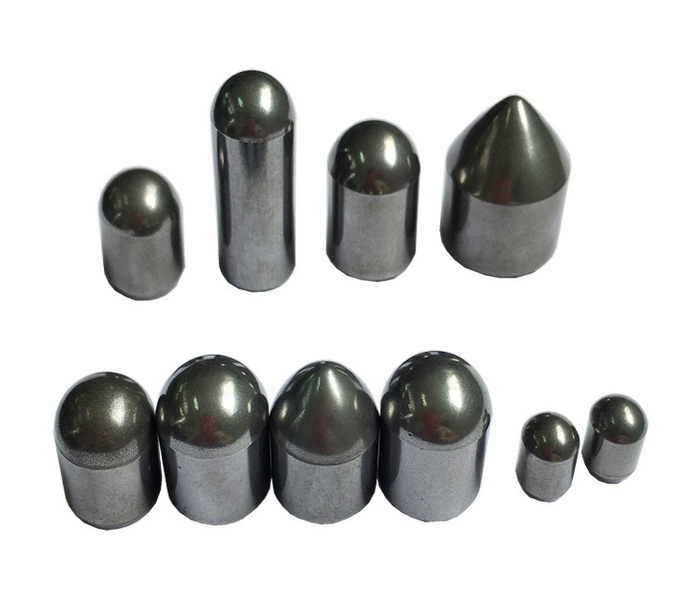
Carbide buttons, also known as tungsten carbide buttons, are essential components in various industries due to their exceptional hardness, wear resistance, and durability. These small but powerful tools are primarily used in drilling and mining applications, but their versatility extends far beyond these fields. This article explores the industries that benefit most from carbide buttons, highlighting their applications, advantages, and innovative uses.
Introduction to Carbide Buttons
Carbide buttons are cutting tools made from a composite of tungsten carbide particles and a metallic binder. This combination provides the buttons with remarkable strength and resistance to wear, making them ideal for high-performance applications. The manufacturing process involves creating a dense structure that can withstand extreme conditions, including high temperatures and corrosive environments.
1. Mining Industry
The mining industry is one of the largest consumers of carbide buttons. These tools are crucial in various mining operations, including coal, metal ores, and mineral extraction. Carbide buttons are used in drill bits for both surface and underground mining due to their ability to penetrate hard rock formations efficiently.
Applications in Mining
- Drilling: Carbide buttons are integrated into drill bits to enhance drilling performance in tough geological conditions.
- Coal Cutting: They are used in coal mining equipment to improve cutting efficiency and reduce wear on tools.
- Exploration: In mineral exploration, carbide buttons help in obtaining core samples with minimal contamination.
2. Oil and Gas Industry
In the oil and gas sector, carbide buttons play a significant role in drilling operations. They are used in downhole drilling tools that require high durability and performance under extreme conditions.
Benefits for Oil and Gas
- Durability: Carbide buttons can withstand the harsh environments encountered during oil drilling.
- Efficiency: Their design allows for faster penetration rates, reducing drilling time and costs.
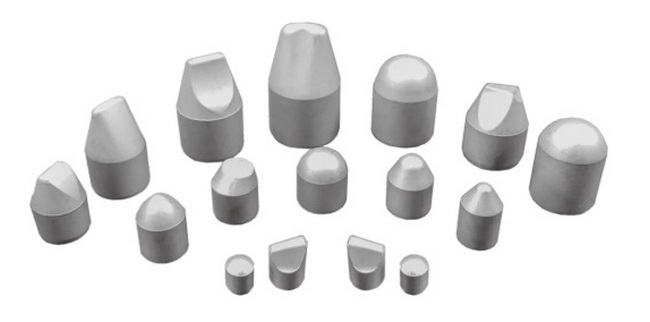
- Customization: Different shapes and sizes of carbide buttons can be tailored for specific drilling requirements.
3. Construction Industry
The construction industry utilizes carbide buttons in various applications such as road construction, concrete cutting, and demolition. These tools are essential for equipment like road milling machines and concrete saws.
Key Uses in Construction
- Road Milling: Carbide buttons are used in milling machines to remove asphalt or concrete efficiently.
- Concrete Cutting: They provide precision cutting capabilities for various construction tasks.
- Demolition: Carbide buttons enhance the effectiveness of demolition tools by improving cutting performance.
4. Metalworking Industry
In metalworking, carbide buttons are employed in machining processes where high precision is required. They are used in turning tools, inserts, and other cutting tools that demand durability and wear resistance.
Applications in Metalworking
- Turning Tools: Carbide buttons enhance the performance of lathes by providing superior cutting capabilities.
- Milling Machines: They are integrated into milling tools for efficient metal removal.
- Drilling Operations: Carbide buttons improve the lifespan of drill bits used in metal fabrication.
5. Aerospace Industry
The aerospace industry benefits from carbide buttons due to their ability to withstand extreme conditions while maintaining precision. They are used in manufacturing components that require high strength-to-weight ratios.
Advantages for Aerospace
- High Performance: Carbide buttons can endure high temperatures and pressures found in aerospace applications.
- Precision Engineering: Their use ensures tight tolerances and high-quality finishes on aerospace components.
- Weight Reduction: The durability of carbide allows for lighter designs without compromising strength.
6. Agricultural Equipment
Carbide buttons are also utilized in agricultural equipment for soil preparation and planting processes. Their wear resistance makes them ideal for use in tillage tools and seed drills.
Uses in Agriculture
- Tillage Tools: Carbide buttons enhance the durability of plows and cultivators.
- Seed Drills: They improve the efficiency of seed placement by providing precise cutting capabilities.
- Harvesting Equipment: In harvesting machinery, carbide buttons help maintain sharpness over extended use.
Conclusion
Carbide buttons are indispensable across multiple industries due to their exceptional properties such as hardness, wear resistance, and versatility. From mining to aerospace, these small yet powerful components enhance operational efficiency and reduce costs. As technology advances, the applications of carbide buttons continue to expand, making them a critical component in modern industrial processes.
Related Questions
1. What materials are carbide buttons made from?
Carbide buttons are primarily made from tungsten carbide combined with a metallic binder like cobalt or nickel.
2. How do carbide buttons improve drilling performance?
They enhance drilling performance by providing superior hardness and wear resistance, allowing for faster penetration rates through tough materials.
3. Can carbide buttons be customized for specific applications?
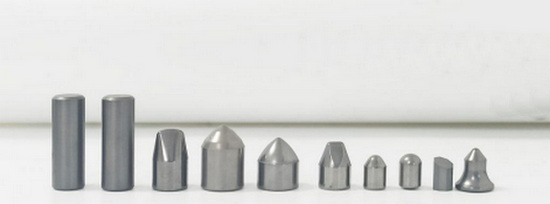
Yes, carbide buttons can be customized in terms of shape, size, and cutting geometry to meet specific operational requirements.
4. What industries use carbide buttons besides mining?
In addition to mining, industries such as oil and gas, construction, metalworking, aerospace, and agriculture utilize carbide buttons extensively.
5. How do I choose the right type of carbide button?
Selecting the right type involves considering factors such as the material being drilled, the required penetration rate, and the specific application needs.


