Content Menu
● Introduction
● Understanding Carbide Round Moulds
>> Key Characteristics
● The Complete Manufacturing Process of Carbide Round Moulds
>> 1. Material Preparation and Batching
>> 2. Mixing and Granulation
>> 3. Shaping
>> 4. Binder Removal and Pre-sintering
>> 5. Sintering and Hot Isostatic Pressing
>> 6. Hard Machining and Finishing
>> 7. Final Inspection and Quality Control
● The Role of Advanced Technology and Customization
>> Strengths of Australian Carbide Mould Production
● Leading Australian Carbide Round Moulds Manufacturers and Suppliers
>> BD Drill (Black Diamond Drilling Group)
>> SEI Carbide Australia
>> Hard Metals Australia
>> Guhring Australia
>> Fullerton Tool Company (distribution via Wallers Industrial)
● Selection Criteria for Carbide Round Moulds Manufacturers and Suppliers
● Australian Carbide Mould Industry and Export Trends
>> Export and OEM Advantages
● Key Application Sectors in Australia
● Innovations in Carbide Round Moulds
● Best Practices for International Buyers
● Case Studies: Carbide Moulds Driving Success
● Conclusion
● FAQ: Carbide Round Moulds Manufacturers and Suppliers
>> Q1: Why are carbide round moulds preferred over traditional steel moulds?
>> Q2: Can Australian suppliers provide custom carbide round moulds for specific applications?
>> Q3: What is the turnaround time for a custom order?
>> Q4: What quality standards do Australian carbide mould suppliers follow?
>> Q5: How do international buyers benefit from sourcing through Australian manufacturers?
Introduction
Carbide round moulds are at the heart of high-precision engineering and essential to a range of Australian industries, including automotive, mining, electronics, and packaging. The unparalleled hardness and longevity of tungsten carbide make these moulds especially desirable in applications where repeatable accuracy, high-volume productivity, and resistance to abrasion are required. For global buyers seeking to source robust and customizable mould solutions, a clear understanding of the Australian supply landscape is invaluable. This comprehensive article reviews the top carbide round moulds manufacturers and suppliers in Australia, details their processes, and explains why Australian sources are trusted worldwide for OEM, wholesale, and industrial applications.

Understanding Carbide Round Moulds
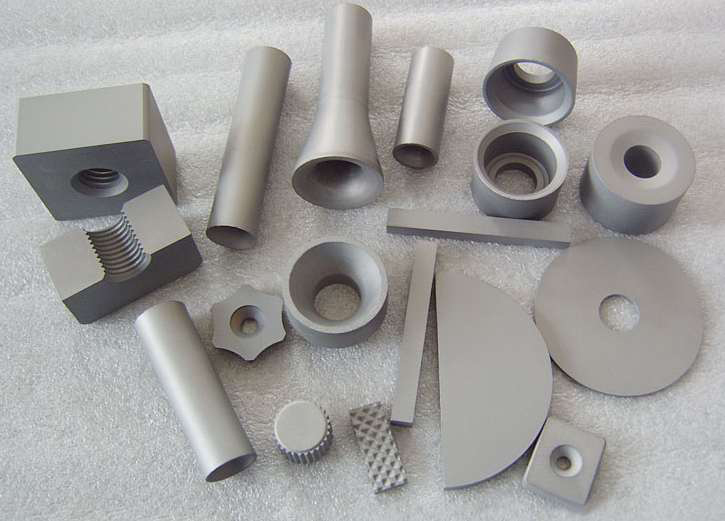
Carbide round moulds are specialized tooling elements manufactured primarily from tungsten carbide—a composite material famed for its hardness, toughness, and resistance to extreme industrial conditions. These round moulds are crucial in shaping, forming, or drawing processes where complex shapes or consistently fine tolerances are needed over long production cycles.
Key Characteristics
- Material Excellence: Tungsten carbide, often reinforced with cobalt, delivers impressive mechanical strength, temperature resistance, and dimensional stability.
- Precision: The manufacture of carbide round moulds incorporates advanced finishing methods such as precision grinding and EDM, ensuring tolerances within microns.
- Service Life: Compared to steel, carbide tools can last many times longer, reducing changeover frequency, increasing uptime, and supporting lean manufacturing goals.
The Complete Manufacturing Process of Carbide Round Moulds
Producing carbide round moulds is a multi-stage process involving material science, powder metallurgy, and high-precision machining. Here is a breakdown of each stage:
1. Material Preparation and Batching
Manufacturing begins with carefully measured tungsten carbide and cobalt powders, tailored to the desired physical properties of the final product. The powders are meticulously blended for even distribution.
2. Mixing and Granulation
A pressing agent or binder is mixed in via ball milling, forming a consistent slurry. This mixture is then dried and sieved to create either a fine granular powder (for pressing) or a viscous mass (for extrusion or injection molding), depending on the intended shaping method.
3. Shaping
Several shaping techniques are employed:
- Cold Isostatic Pressing: Powder is placed into flexible molds and compacted uniformly by fluid pressure, ideal for simple or large geometry components.
- Uniaxial Pressing: Used for straightforward shapes with high throughput requirements.
- Extrusion: Used when producing round rods or long cylindrical parts, the mass is pushed through a die to form round mould blanks.
- Injection Molding: Suitable for intricate geometries, the powder-binder mix is injected into complex cavities to produce detailed "green" bodies.
4. Binder Removal and Pre-sintering
Shaped components, still relatively soft and referred to as "green bodies," are gradually heated to burn off binders and reduce porosity. This controlled temperature rise ensures structural integrity for further processing.
5. Sintering and Hot Isostatic Pressing
Sintering involves heating the compacted parts in a vacuum furnace up to 1350–1500°C. This fuses the powder particles into a dense, ultra-hard structure with minimal voids. When required, an overpressure of inert gas (hot isostatic pressing) further densifies the moulds, improving wear resistance and strength.
6. Hard Machining and Finishing
As-sintered moulds are subject to significant shrinkage and require finishing for precise tolerance. Grinding, honing, lapping, CNC machining, EDM, and sometimes laser treatment are applied. Diamond abrasives are especially common due to the carbide's exceptional hardness.
7. Final Inspection and Quality Control
Finished moulds undergo a thorough inspection using tools such as coordinate measuring machines (CMM), laser micrometers, and surface roughness analyzers to ensure compliance with published specifications.
The Role of Advanced Technology and Customization
Today's Australian suppliers are at the frontline of integrating CAD/CAM systems into carbide round mould production. Automated press lines, robotics, and computer-modeled tooling deliver repeatable accuracy and enable rapid shifts between part designs. For buyers, this means customizable, data-driven production and shorter lead times.
Strengths of Australian Carbide Mould Production
- R&D Investment: Investment in research leads to advanced binder chemistries and powder treatments, delivering better strength and wear profiles.
- Process Flexibility: Multi-process factories can handle everything from mass runs of simple parts to one-off specialty designs.
- Total Traceability: Each mould is traceable through production, with material certificates and process data stored for quality assurance.
Leading Australian Carbide Round Moulds Manufacturers and Suppliers
BD Drill (Black Diamond Drilling Group)
Specializing in cemented carbide tools and custom mould components for the mining and construction sectors, BD Drill is respected for innovation-driven problem-solving and exceptional product reliability. Their tailored solutions include OEM private label services for international customers.
SEI Carbide Australia
This supplier provides a broad array of carbide round moulds and precision-engineered cutting tools. Their expertise in custom engineering and ongoing customer support cements their status among Australia's premier carbide tooling manufacturers.
Hard Metals Australia
With decades of industrial experience, Hard Metals Australia delivers both carbide and synthetic diamond tooling, meeting the strict requirements of sectors such as mining, agriculture, and heavy industry.
Guhring Australia
Guhring focuses on advanced R&D and delivers a mixture of standard and custom rotary carbide moulds, round dies, and related cutting tools. Their in-house support for design and engineering makes them a favorite with OEM brands and custom producers.
Fullerton Tool Company (distribution via Wallers Industrial)
A leading US manufacturer distributed in Australia, Fullerton Tool is synonymous with ultra-durable carbide round tools, end mills, and custom geometry solutions, particularly for automotive and electronics manufacturing.
Selection Criteria for Carbide Round Moulds Manufacturers and Suppliers
For global buyers, choosing the right manufacturing partner is crucial. Key criteria include:
- Technical Capability: Can the supplier offer multi-method forming, sintering control, and hard machining for sophisticated products?
- Experience with International Clients: Suppliers with established global logistics and customs support can minimize shipping delays.
- Custom Engineering: The ideal manufacturer supports design collaboration and offers comprehensive OEM, branding, and packaging services.
- Quality Accreditation: ISO 9001 certification, documented inspection protocols, and full process traceability should be standard.
- After-Sales Support: Responsive teams, troubleshooting assistance, and willingness to supply trial samples or small batches are important for risk mitigation.
Australian Carbide Mould Industry and Export Trends
Australian carbide round mould manufacturers have earned a reputation for delivering not just product, but partnership. With increasing investment in automation and AI-based quality inspection, these companies can handle advanced product requests and efficiently serve the Asia-Pacific and global markets.
Export and OEM Advantages
- Competitive Lead Times: Modern factories offer both rapid prototyping and scheduled mass production.
- Documentation and Support: Complete export documentation, clear labeling, and attentive communication ensure frictionless international trade.
- OEM and Branding Excellence: Export-focused manufacturers allow customization, private branding, and regional packaging for wholesalers and brand owners.
Key Application Sectors in Australia
Carbide round moulds play pivotal roles in:
- Mining and Drilling: From wear plates to core barrels, carbide moulds help reduce bit changes and improve field productivity.
- Automotive and Transportation: Essential in forming and precision-cutting engine and chassis components that require exceptional tolerance and repeatability.
- Civil and Structural Engineering: Used to fabricate connectors, fasteners, and anchoring systems for infrastructure projects.
- Aerospace and Electronics: Support the production of micro-components, connectors, and sensor housings with exacting standards.
- Energy and Resources: Carbide solutions extend operational cycles for equipment used in oil, gas, and renewable installations.
Innovations in Carbide Round Moulds
Australian suppliers are advancing the field in several ways:
- Coating Technologies: Latest PVD and CVD coatings further enhance resistance to wear, erosion, and chemical attack, extending mould life in harsh environments.
- Digital Manufacturing Integration: Rapid prototyping and additive manufacturing combine with classic carbide forming to deliver unique mould solutions faster than ever before.
- Green Manufacturing: Many suppliers are integrating recycling protocols to recover and remanufacture carbide, lowering costs and environmental impact.
Best Practices for International Buyers
- Start with Samples: Trial orders allow assessment of dimensional accuracy, surface finish, and application compatibility.
- Request Material Certification: Ensure factory documents confirm carbide grade, binder content, and mechanical properties.
- Discuss Packaging and Logistics: Well-prepared export shipments minimize damage and simplify customs procedures.
- Clarify Customization Needs: Australian manufacturers excel in tailoring solutions for both function and market positioning.
Case Studies: Carbide Moulds Driving Success
A Western Australian mining firm recently upgraded to bespoke carbide round moulds and saw both a significant improvement in drilling speed and a reduction in tool replacement intervals. Likewise, an automotive OEM streamlined their assembly line with locally supplied carbide tooling and slashed maintenance downtime. These examples illustrate why global companies trust Australian sources for mission-critical moulds.
Conclusion
Carbide round moulds form the technological backbone of many of Australia's advanced manufacturing sectors—delivering unmatched performance in terms of precision, life span, and versatility. Australian manufacturers, powered by innovation, flexibility, and quality commitment, provide reliable, customizable, and export-ready solutions for buyers around the globe.
Whether you are an OEM brand, wholesaler, or manufacturer needing to upgrade tooling and process reliability, exploring Australia's top carbide round moulds manufacturers and suppliers is a sure way to gain competitive edge. With expert after-sales support, rapid delivery, and proven product quality, these suppliers stand ready to help you succeed in today's demanding manufacturing world.
FAQ: Carbide Round Moulds Manufacturers and Suppliers
Q1: Why are carbide round moulds preferred over traditional steel moulds?
Carbide round moulds offer superior hardness and wear resistance, resulting in longer tool life, higher production consistency, and lower maintenance costs, especially in high-volume or high-abrasion environments.
Q2: Can Australian suppliers provide custom carbide round moulds for specific applications?
Yes, leading Australian manufacturers specialize in tailored solutions, offering a range of geometries, grades, and surface treatments to match any industry standard.
Q3: What is the turnaround time for a custom order?
Lead times typically range from 2–6 weeks based on order complexity, with expedited service often available for urgent or OEM orders.
Q4: What quality standards do Australian carbide mould suppliers follow?
Most adhere to ISO 9001 certifications and utilize documented inspection and traceability protocols, ensuring consistency and reliability for every shipment.
Q5: How do international buyers benefit from sourcing through Australian manufacturers?
Buyers receive competitively priced, premium quality, and fully certified products, with the added advantages of export support, technical collaboration, and after-sales service.


