Content Menu
● Introduction
● Understanding Carbide Buttons
>> Key Attributes of Carbide Buttons
● European Market Overview
>> Market Advantages
● Top Carbide Button Manufacturers and Suppliers in Europe
>> Sinter Sud (Italy)
>> Kennametal Europe
>> Sandvik Coromant (Sweden)
>> RS Rittel GmbH (Germany)
>> Transceram GmbH (Germany)
● Typical Applications
● Manufacturing Process: From Powder to Performance
>> 1. Raw Material Preparation
>> 2. Powder Mixing and Wet Milling
>> 3. Spray Drying
>> 4. Pressing
>> 5. Sintering
>> 6. Quality Check and Finishing
>> 7. Packaging and Distribution
● Shapes, Standards, and Specifications
● Trends and Innovations
● Choosing the Right Carbide Button Supplier
● The Role of OEM Services
● Commitment to Quality: Certification and Inspection Protocols
● Sustainability and Recycling Initiatives
● Customization: The Strategic Advantage
● Looking Ahead: Future Opportunities
● Conclusion
● Frequently Asked Questions (FAQ)
>> 1. Which industries most commonly use carbide buttons?
>> 2. How do European manufacturers ensure product quality?
>> 3. What shapes and sizes are available for carbide buttons?
>> 4. Can carbide button suppliers customize products for OEM projects?
>> 5. What innovations are driving the European carbide button market?
Introduction
In the dynamic world of industrial drilling, mining, and construction, the use of durable and technologically-advanced materials is essential for maintaining efficiency and safety. Carbide buttons have emerged as indispensable components in many critical industries due to their exceptional hardness, toughness, and wear-resistance. As European manufacturers continuously innovate and deliver OEM solutions for global partners, understanding the industry landscape, processes, and supplier capabilities is key for decision-makers. This article explores the leading carbide button manufacturers and suppliers across Europe, delves into the materials science behind their products, details manufacturing processes, and highlights industry innovations and selection criteria.
Understanding Carbide Buttons
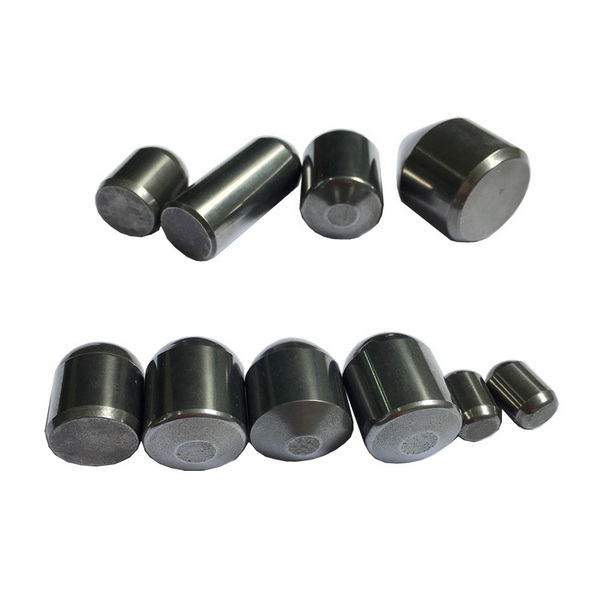
Carbide buttons are precision-engineered inserts primarily made from tungsten carbide, sometimes blended with cobalt or nickel binders. Their compact, rounded, or pointed profiles enable them to be embedded into drill bits, mining tools, and wear-resistant industrial components. Carbide buttons are designed to endure intense impacts, abrasive surfaces, and extreme temperatures, providing superior longevity and performance over standard steel alternatives.
Key Attributes of Carbide Buttons
- Unmatched hardness, second only to diamond
- Resistance to deformation, fracturing, and corrosion
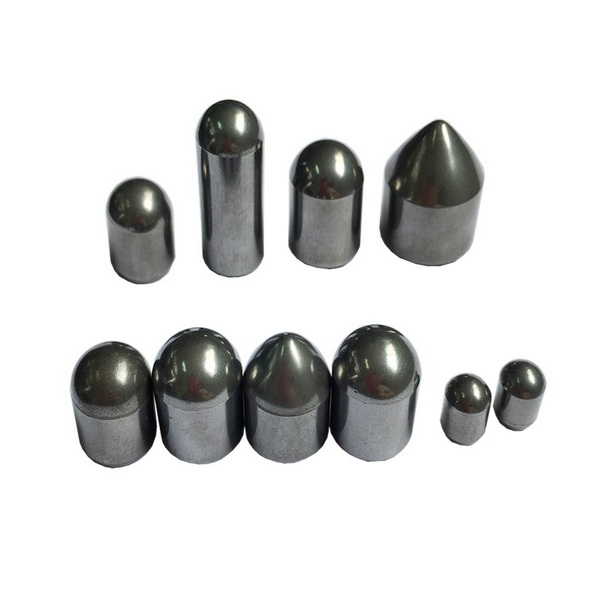
- Multiple available geometries—spherical, conical, chisel, parabolic, and more
- Versatility for various applications including mining, tunneling, construction, and oil and gas drilling
- Compatibility with complex OEM/ODM projects
European Market Overview
Europe has become a global leader in carbide button production, with its manufacturers emphasizing precision, innovation, and stringent quality standards. Companies in Italy, Germany, Sweden, and other regions offer broad portfolios of carbide products suitable for the most demanding industrial settings.
Market Advantages
- Advanced R&D for novel grades and design flexibility
- Automated manufacturing and strict quality control
- Commitment to sustainability and recycling programs
- Certification to ISO and CE standards for international compliance
- Flexible OEM services designed for international brands, wholesalers, and industrial producers
Top Carbide Button Manufacturers and Suppliers in Europe
Sinter Sud (Italy)
Operating for over 50 years, Sinter Sud specializes in cemented carbide products, particularly carbide rods and buttons. They focus on continuous research, development, and innovation, delivering custom solutions for mining, road construction, and machining industries. Their OEM model supports rapid prototyping, full traceability, and timely delivery.
Kennametal Europe
Kennametal's European operations deliver advanced carbide button solutions tailored for large-scale infrastructure, mining, and earthmoving applications. With a proven track record of meeting diverse OEM requirements, they emphasize research-driven product enhancement, cost efficiency, and environmental stewardship.
Sandvik Coromant (Sweden)
An industry pioneer in tungsten carbide innovations, Sandvik Coromant supplies high-precision carbide buttons for complex drilling environments. Their expertise covers powder production, custom pressing, and sintering technologies, with dedicated support for recycling programs and sustainable sourcing.
RS Rittel GmbH (Germany)
RS Rittel is renowned for manufacturing precision tungsten carbide buttons for mining, construction, and oil drilling. Their streamlined production workflow enables quick customization, high productivity, and reliability for clients across Europe and beyond.
Transceram GmbH (Germany)
Offering advanced carbide solutions for specific industrial sectors—including automotive, electronics, chemical, and agriculture—Transceram GmbH is valued for its rapid delivery, design flexibility, and unwavering commitment to detailed quality assurance.
Typical Applications
Carbide buttons are integral to equipment designed for demanding conditions, enabling improved operational longevity and reduced maintenance costs. They are commonly embedded in:
- Mining drill bits for the rapid penetration of hard rock
- Rotary tools and tunnel boring machines in construction
- Well drilling equipment for oil and gas exploration
- Road milling machines and concrete cutters
- Specialty tools for machining, grinding, and milling in manufacturing
The use of carbide buttons is closely tied to improved efficiency and lower total cost of ownership for heavy-duty operations.
Manufacturing Process: From Powder to Performance
European manufacturers rely on a standardized yet highly controlled manufacturing process to ensure that carbide buttons meet the highest standards for toughness and uniformity. The main production stages are as follows:
1. Raw Material Preparation
Manufacturers begin with high-purity tungsten powder, often derived from refined tungsten ores, and blend it with cobalt or nickel as binders. This stage requires precise measurement and quality checks to maintain the integrity and consistency of the final product.
2. Powder Mixing and Wet Milling
The tungsten carbide powder and binders are milled in ball mills with added water or ethanol, facilitating uniform dispersion and fine particle formation. This step ensures homogeneity and optimal mechanical properties.
3. Spray Drying
The slurry is pumped through a spray dryer, producing spherical granules of consistent size. Spray drying evaporates most of the liquid, resulting in granules ideal for high-pressure forming while maintaining the powder's integrity.
4. Pressing
Manufacturers press the dry granules into button blanks using either automatic machines (for small sizes) or hydraulic presses (for larger sizes). Various dies are employed to produce diverse geometries, such as conical, spherical, or parabolic profiles.
5. Sintering
Pressed blanks are placed in sintering furnaces—often hot isostatic press (HIP) or vacuum furnaces—and heated to approximately 1400°C. This process fuses the powder particles, shrinking the buttons to roughly half their original size and imparting ultimate strength and durability.
6. Quality Check and Finishing
Each button undergoes rigorous inspection for hardness, microstructure, and magnetic properties. Dimensional checks ensure consistent height and diameter. Buttons may then be ground, polished, or coated with specialized finishes (such as titanium compounds) to enhance wear and corrosion resistance.
7. Packaging and Distribution
After passing all quality checks, carbide buttons are packaged under clean conditions and distributed to OEM clients and industrial users worldwide.
Shapes, Standards, and Specifications
European manufacturers offer a comprehensive catalog of carbide button types to satisfy nearly every industrial need. Popular shapes include:
- Conical buttons
- Spherical (ball) buttons
- Chisel-edged buttons
- Parabolic and hybrid conical-parabolic buttons
- Flat and trapezoidal buttons
- Multi-pointed precision tip buttons
- Stud-like cylindrical buttons
These buttons are manufactured according to global standards such as ISO 9001, ASTM, DIN, JIS, and ANSI, ensuring suitability for international applications.
Trends and Innovations
Industry trends in Europe highlight ongoing innovation and evolution in the carbide button sector:
- Integration of advanced alloying elements (e.g., titanium, tantalum) for enhanced wear performance
- Implementation of robotic automation and artificial intelligence for process monitoring and quality control
- Lifecycle management practices, including comprehensive recycling of worn-out carbide buttons
- Shift toward eco-efficient solutions, including dry high-speed machining technologies, which eliminate the need for coolant lubricants in specific cutting applications
- Development of application-specific geometries for emerging industries such as renewable energy, aerospace, and electric vehicles
These trends demonstrate the adaptability and forward-thinking nature of European carbide button manufacturers.
Choosing the Right Carbide Button Supplier
Selecting the right supplier involves careful evaluation of several important factors:
- Product Range: A broad catalog of shapes and sizes shows manufacturing depth and flexibility.
- Certification: ISO and CE compliance ensures international quality standards.
- Customization Capability: Suppliers should offer tailored design, material composition, and geometric options to suit specific OEM/ODM projects.
- Technical Support: Responsive assistance from the quotation stage through delivery and after-sales technical service
- Turnaround Speed: Fast sample delivery and short lead times are especially critical for OEM partners responding to urgent orders or unique requirements.
- Proven Track Record: Long-standing experience and positive customer feedback offer assurances of reliability and consistency.
The Role of OEM Services
Many European manufacturers distinguish themselves through sophisticated OEM and ODM programs. These services include:
- Custom carbide button development according to client specifications
- In-house testing and prototyping
- Flexible small-batch and large-batch production
- High-volume export capacity, serving brands, wholesalers, equipment manufacturers, and engineering contractors worldwide
- Robust after-sales support and inventory management to guarantee uninterrupted supply chains
OEM capabilities offer foreign brands and producers high-value partnerships, enabling competitive advantages in both local and international markets.
Commitment to Quality: Certification and Inspection Protocols
European factories maintain highly-organized quality control programs featuring:
- Utilization of pure, virgin tungsten carbide powders
- Automated inspection systems employing laser measurement and magnetic property testing
- International certification, including ISO 9001 and CE Marking
- Zero-defect shipment policies, with comprehensive batch tracking and performance documentation
These protocols help ensure reliability, safety, and consistency for all OEM and standard supply orders.
Sustainability and Recycling Initiatives
As environmental regulations evolve and resource efficiency gains importance, leading manufacturers are working to minimize their ecological footprints through initiatives such as:
- Recycling programs for scrap tungsten carbide and worn-out buttons
- Energy-efficient production techniques and waste reduction strategies
- Research into alternative binders and greener chemical processes
- Efforts to source raw materials responsibly and in compliance with EU environmental standards
Customization: The Strategic Advantage
Customization sets top European suppliers apart, enabling:
- Development of tailored button shapes and performance characteristics to suit new drilling, cutting, or specialized equipment
- Laboratory-grade testing and prototyping before mass production
- Integration of customer branding, packaging, and logistical solutions for international OEM clients
A strategic focus on customization drives innovation and fosters enduring customer relationships.
Looking Ahead: Future Opportunities
The European carbide button industry is poised for continued growth as new technologies and applications emerge, from energy infrastructure to automated manufacturing. With advanced material science, process optimization, and enhanced data integration, manufacturers will sustain their competitive edge and support global clients' evolution with cutting-edge products and services.
Conclusion
European carbide button manufacturers and suppliers possess industry-leading expertise, technological capabilities, and commitment to quality that drive major sectors such as mining, construction, oil & gas, and advanced manufacturing. With a focus on innovation, sustainability, and customization, Europe remains the preferred hub for OEM procurement and development of carbide button technologies. By partnering with recognized European suppliers, brands, wholesalers, and equipment manufacturers can ensure enhanced tool performance, reliability, and efficiency for their most demanding projects.
Frequently Asked Questions (FAQ)
1. Which industries most commonly use carbide buttons?
Carbide buttons are vital in mining, tunneling, construction, oil and gas drilling, as well as industrial machining operations, where durability and wear resistance are required.
2. How do European manufacturers ensure product quality?
Quality assurance is maintained throughout the production process via rigorous testing, international certification, use of pure materials, and advanced quality control technologies.
3. What shapes and sizes are available for carbide buttons?
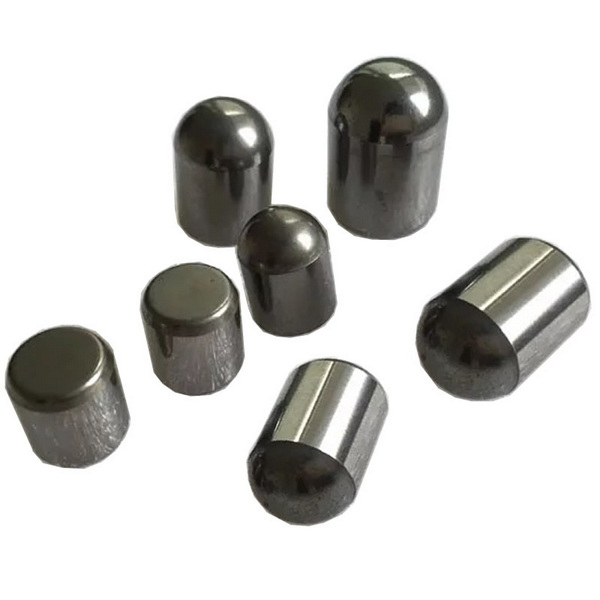
European manufacturers provide a wide array of shapes such as conical, spherical, parabolic, chisel, flat, and multi-pointed—each available in multiple sizes, all meeting ISO, ASTM, and DIN standards.
4. Can carbide button suppliers customize products for OEM projects?
Yes, leading suppliers offer full customization for button shape, material composition, coatings, branding, and packaging, tailored to OEM and ODM client requirements.
5. What innovations are driving the European carbide button market?
Recent innovations include advanced alloying for better wear performance, robotic process automation, sustainability initiatives, advanced coatings, and the development of application-specific geometries.


