Content Menu
● Introduction
● What Are Carbide Buttons and Why Are They Essential?
● The Australian Carbide Button Industry
>> Market Structure and Distribution Channels
● Leading Carbide Button Manufacturers and Suppliers
>> Black Diamond Drilling Group (BD Drill)
>> Wolfram Carbide
>> SEI Carbide Australia
>> Artisan Supplies
>> International Suppliers and OEM Partnerships
● Carbide Button Manufacturing Process
>> Raw Material Preparation
>> Powder Mixing and Wet Milling
>> Spray Drying
>> Pressing and Shaping
>> Sintering
>> Grinding, Coating, and Finishing
>> Inspection and Quality Assurance
● Technical Specifications and Industry Applications
● Selecting Your Carbide Button Supplier
● Conclusion
● FAQ
>> 1. What are the main uses of carbide buttons in Australia?
>> 2. How do manufacturers ensure the quality of carbide buttons?
>> 3. Can carbide buttons be customized for specific drilling conditions?
>> 4. What factors influence the cost of carbide buttons?
>> 5. Are Chinese carbide button manufacturers competitive in Australia?
Introduction
Australia's mining, drilling, and construction industries rely heavily on the precision and durability of carbide buttons. These essential components serve as the heart of drill bits, contributing to superior productivity and cost efficiency in demanding environments. Carbide Button Manufacturers and Suppliers in Australia deliver high-quality solutions recognized globally for performance, reliability, and adaptability across a broad spectrum of applications.
Through robust supply chains, advanced manufacturing, and unmatched engineering expertise, Australian carbide button suppliers have established themselves as trusted partners for international and domestic buyers. This article offers a thorough overview of the market landscape, technical background, leading manufacturers and suppliers, and best practices for procurement and specification.
What Are Carbide Buttons and Why Are They Essential?
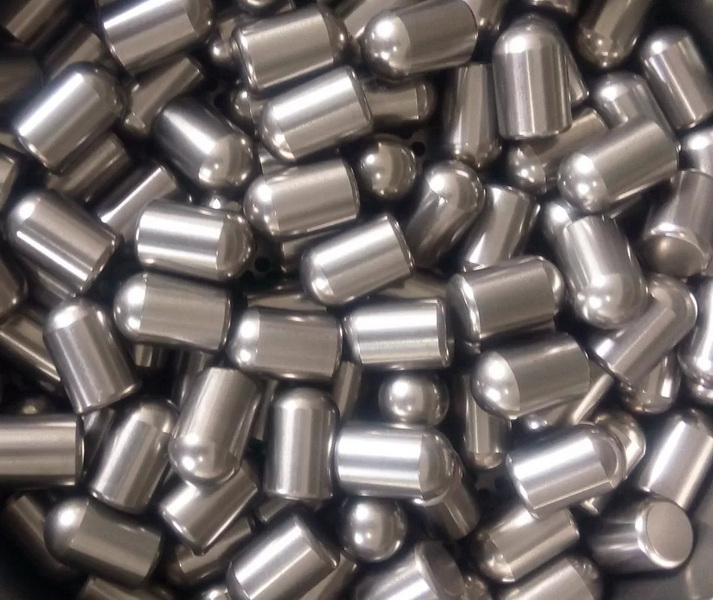
Carbide buttons, typically composed of tungsten carbide and a metallic binder such as cobalt, are widely regarded for their incredible hardness, toughness, and resistance to abrasion and deformation. Their application spans mining exploration, oil and gas drilling, tunnel boring, construction, and industrial tooling. The intense operational conditions encountered in these industries demand carbide buttons that can maintain sharpness and integrity over extended use, directly impacting productivity and cost-of-ownership.
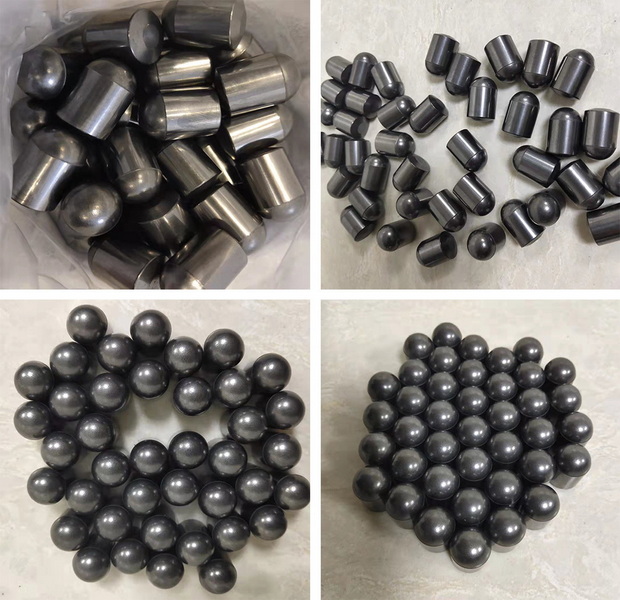
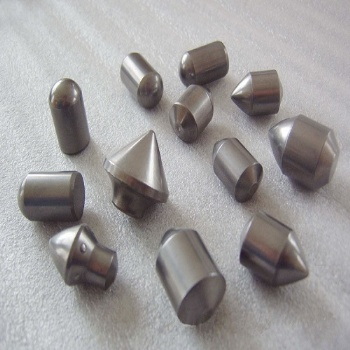
Modern Carbide Button Manufacturers and Suppliers utilize highly controlled production methods, from powder metallurgy to advanced CNC machining, to produce buttons in a variety of profiles—dome, parabolic, chisel, and spoon—each optimized for different rock types and drilling requirements. This versatility allows engineers and project managers to tailor tooling to exact site conditions, maximizing drilling speed while minimizing wear and failure rates.
The Australian Carbide Button Industry
Australia stands out as a global leader in mining and drilling technology, supported by a strong manufacturing ecosystem for carbide components. Firms operating in this sector offer comprehensive design, engineering, and customization services, ensuring products match the rigorous standards required by Australian and international projects.
Australian Carbide Button Manufacturers and Suppliers benefit from local innovation, collaboration with research institutes, and partnerships with overseas technology providers. This ecosystem fosters continuous improvement in manufacturing practices, material science, and application engineering, ultimately driving the industry forward.
Market Structure and Distribution Channels
Carbide button supply in Australia is characterized by a blend of local manufacturers and international exporters. While major mining centers source directly from local suppliers, many firms maintain strong OEM relationships with leading Chinese factories, enabling access to precision-engineered products at competitive prices.
Distributors and wholesalers are also integral to the landscape, offering technical support, rapid delivery, and value-added services to buyers. Mining companies, construction contractors, and drilling specialists rely on these channels for flexible logistics, technical advice, and on-demand inventory management.
Leading Carbide Button Manufacturers and Suppliers
Black Diamond Drilling Group (BD Drill)
BD Drill is recognized in Australia and the Asia-Pacific as an expert in cemented carbide button manufacturing. Their advanced facilities house automated presses, HIP sinter furnaces, and comprehensive QA systems, delivering buttons with exceptional uniformity and toughness. Extensive customization capabilities allow clients to specify granular shape, dimensions, grade, and finish. Their products meet the requirements of DTH bits, tricone bits, and top hammer drills, with consistent results across varied geological environments.
Wolfram Carbide
Wolfram Carbide has built its reputation supplying high-performance tungsten carbide buttons and inserts to the mining and construction sectors. Their product roster includes hexagonal, serrated, and spherical buttons for tunnel boring, road milling, and foundation drilling. With close collaboration with global mining equipment makers, Wolfram delivers carbide solutions engineered to maximize wear resistance and drilling efficiency. Distribution partners across Australia support quick turnaround and project-specific consultation.
SEI Carbide Australia
SEI Carbide Australia integrates German engineering with local expertise to produce precision carbide tools for metal cutting, mining, and industrial applications. Their facility leverages advanced material science and robotic inspection to deliver high-reliability carbide buttons for challenging conditions. Customization options extend to unique geometries, micro-grain versus coarse-grain formulations, and proprietary coatings for specific use cases.
Artisan Supplies
Catering especially to niche manufacturing requirements, Artisan Supplies provides high-quality carbide button inserts for peening hammers, riveting tools, and specialty industrial machinery. Their focus on small-batch, highly customized production meets the needs of artisanal tool makers and maintenance engineers working on specialized projects.
International Suppliers and OEM Partnerships
Australian importers partner with leading overseas Carbide Button Manufacturers and Suppliers to access expanded product portfolios. Prominent among these are Chinese factories renowned for automated processes, quality consistency, and responsive support. Such collaborations enhance cost competitiveness and ensure consistent supply during periods of high demand, benefiting mining operations of all scales.
Carbide Button Manufacturing Process
Raw Material Preparation
Manufacturing begins with the careful selection and processing of tungsten and cobalt powders. Purity and particle size are critical, as they dictate the density, grain structure, and performance characteristics of the finished buttons. The powders undergo thorough mixing, often with additional nickel or iron binders for specialized applications.
Powder Mixing and Wet Milling
Binders are added to the tungsten carbide powder to facilitate tight intergranular bonding. The mixture is milled with liquids—usually ethanol and water—in ball milling machines, creating a fine, uniform slurry. This process can take many hours, and multiple recipes are used for different carbide grades.
Spray Drying
After milling, the slurry is fed into a spray dryer, which evaporates the liquids and produces small, rounded granules of powder. Spray drying is favored for efficiency and uniform granule sizing, which ensures consistency during pressing.
Pressing and Shaping
Ready-to-press powder is placed into molds corresponding to the required button shape. Pressing is performed hydraulically or automatically, applying immense pressure—often up to 12 tons—to maximize density and strength. Button dies are customized for specific head shapes and chamfering. For small batches, manual or semi-automatic presses are used to achieve unique profiles.
Sintering
Pressed buttons are transferred to a sintering furnace (often HIP type), exposed to high temperatures—typically around 1400°C to 1500°C—under vacuum or inert gas conditions. This step solidifies the material, burns off organic binders, and causes the buttons to shrink to their final dimensions. Sintering imparts exceptional hardness and structural integrity.
Grinding, Coating, and Finishing
Post-sintering, buttons are ground using diamond-coated discs or advanced grinding machines. This ensures precise tolerances and surface finish. Some manufacturers apply advanced coatings through chemical vapor deposition (CVD) or physical vapor deposition (PVD), further increasing hardness, durability, and specific color identification.
Inspection and Quality Assurance
Quality checks are embedded throughout the process. Advanced labs regularly test hardness, grain structure, cobalt levels, and microstructure for each batch. Each button is dimensionally inspected using high-precision instruments to guarantee adherence to client requirements. Manufacturers also conduct stress and fatigue testing to verify performance under real-world conditions before packing and dispatch.
Technical Specifications and Industry Applications
Carbide buttons are engineered with methodological attention to hardness, density, and toughness. Manufacturers routinely optimize these characteristics for each targeted application:
- Mining and Exploration: Carbide buttons for drill bits in hard rock mining
- Oil & Gas Drilling: High-pressure, high-temperature inserts for downhole tooling
- Construction: Applications in road milling machines, tunnel boring, and foundation drilling
- Metalworking and Tooling: Cutting inserts, peening hammers, and precision tools
Buyers are encouraged to specify technical criteria such as grade, head style, dimensions, and required operating conditions when engaging with Carbide Button Manufacturers and Suppliers. Customization is readily offered for orders ranging from prototyping to mass production. Engineering teams can request bespoke designs for unique geological setups, ensuring optimal tooling life and project efficiency.
Selecting Your Carbide Button Supplier
When sourcing carbide buttons, focus on manufacturers who demonstrate clear adherence to international standards, rigorous quality management, and strong engineering support. Long-term reliability may hinge on a supplier's ability to deliver consistent product batches, maintain open technical communication, and assist with troubleshooting during field deployment.
Key selection factors include:
- Proven expertise and successful project history
- Advanced manufacturing infrastructure and R&D capacity
- Customization options for special shapes, sizes, and coatings
- Strong technical support and quality control
- Logistics capabilities for responsive and dependable supply
Australian buyers may benefit from combining local and international sourcing strategies to assure continuous product availability while managing costs. Establishing long-term OEM partnerships can also provide advantages in price negotiation, exclusive access to advanced products, and tailored engineering services.
Conclusion
Australian Carbide Button Manufacturers and Suppliers supply the mining, construction, and industrial sectors with expertly engineered solutions that power productivity and operational reliability. Their commitment to quality, innovation, and customer support ensures buyers receive components optimized for rigorous field conditions—whether for hard rock mining, drilling, or specialized industrial tools.
Driven by advanced manufacturing practices and strong OEM collaborations with leading Chinese factories, Australia's carbide button market maintains access to world-class technology and competitive pricing. The integration of engineering expertise, local support, and responsive logistics makes it an indispensable resource for project managers, procurement teams, and manufacturers seeking drilling excellence.
By evaluating suppliers on technical capabilities, quality assurance, and customization, buyers can confidently procure the carbide buttons necessary for success in Australia's demanding operational environments.
FAQ
1. What are the main uses of carbide buttons in Australia?
Carbide buttons are primarily used in mining, drilling, oil and gas exploration, construction, and industrial machinery due to their exceptional hardness and durability.
2. How do manufacturers ensure the quality of carbide buttons?
Manufacturers utilize state-of-the-art labs, advanced inspection instruments, and strict process controls to meet or exceed industry standards throughout production.
3. Can carbide buttons be customized for specific drilling conditions?
Yes, most suppliers and factories offer extensive customization, from shape and size to material grade and performance features, based on client requirements.
4. What factors influence the cost of carbide buttons?
Pricing depends on raw material quality, manufacturing complexity, technical specifications, batch size, customization level, and logistics.
5. Are Chinese carbide button manufacturers competitive in Australia?
Chinese manufacturers, often in partnership with Australian suppliers and distributors, provide competitive pricing and high-quality products, making them a strong choice for both OEM and custom orders.


